- Home
- Knowledge Hub
- Moving Away from US Software: How Media Organizations Can Gain More Control Over Their Digital Infrastructure
Moving Away from US Software: How Media Organizations Can Gain More Control Over Their Digital Infrastructure
Mercator Foundation Switzerland is gradually switching its IT systems to open-source solutions. Here's a look at the tools it uses, the alternatives available, and how media organizations can take their first steps toward greater digital sovereignty.
Email, video calls, file storage: Many organizations rely on software from major US tech companies. This creates dependencies that often only become apparent when terms of service change, prices go up, or political developments raise questions about data privacy and who has control over an organization's digital infrastructure.
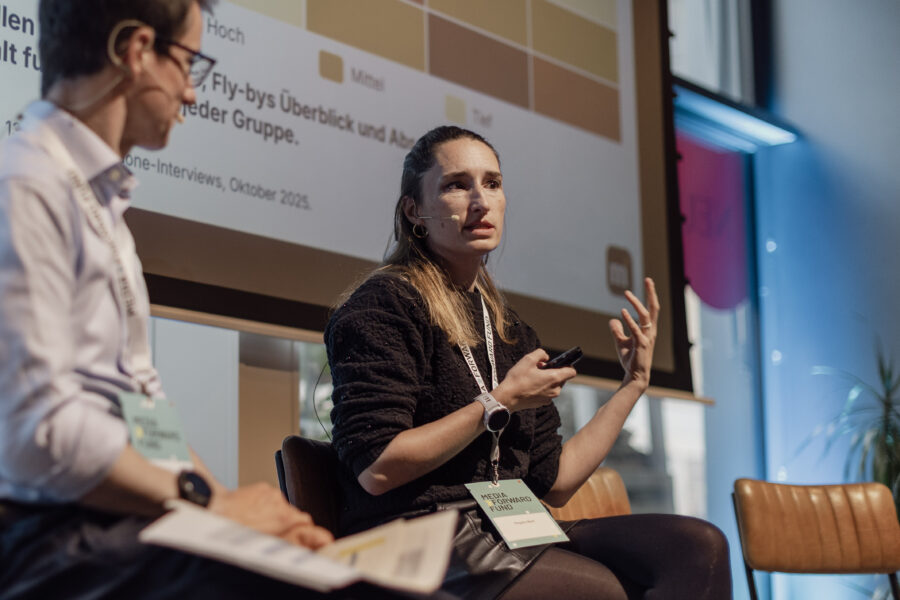
Since 2025, Mercator Foundation Switzerland has been transitioning parts of its digital infrastructure. At our Deep Dive in Zurich, Torben Stephan, Head of Digitalization, shared what the foundation has learned, which alternatives are available, and what organizations should consider when making the switch.
What tools does Mercator Foundation Switzerland use?
The foundation is gradually replacing its existing applications with alternative solutions. These include:
| Previous application | New solution | Purpose |
| Microsoft Active Directory | Univention UCS | User management |
| Network drives / Nextcloud | OpenCloud | File storage |
| Outlook / Exchange | Open-Xchange | Email and calendar |
| Zoom | OpenTalk (with Zoom as a backup) | Video conferencing |
| Mailstore | Benno Mailarchiv | Email archiving |
| TeamViewer | RustDesk | Remote access and support |
| Citrix | Defguard / WireGuard | Secure network access |
| Confluence (planned for 2027) | xWiki | Knowledge management |
The infrastructure also includes an OPNsense firewall and an email security gateway. For migrating email and groupware data, the foundation worked with Audriga, a German service provider.
The foundation selected its own software stack. A service provider specializing in open-source solutions then set it up and now manages it. Another option is to purchase a complete stack from a single provider. One of the best-known examples is OpenDesk. Each organization needs to decide which approach best fits its needs.
What does this mean for media organizations?
Media organizations can also reduce their dependence on individual technology providers. However, the infrastructure used by Mercator Foundation Switzerland cannot simply be transferred to every media organization. The right solution depends on the organization's size, its specific technical requirements, and the resources available.
One key question is who will manage the technical infrastructure. With self-hosting, an organization selects its own applications and runs them on its own servers. This provides greater control but requires technical expertise, staff, and ongoing maintenance. According to Mercator Foundation Switzerland, a project of this kind can cost six figures.
Alternatively, organizations can use European cloud services, with an external provider managing the software. This reduces the technical workload but also limits the ability to accommodate individual requirements. Fully integrated software-as-a-service (SaaS) offerings in this area are still relatively rare. For smaller media organizations, it may therefore make sense to start by replacing individual applications or switching to European cloud services.
How to get started
The following questions can help you assess your organization's current setup and identify where to begin:
- Which applications do we use? Make an inventory of email, file storage, video calls, calendars, project management, newsletters, websites, and other essential systems.
- Who is behind them? Check the providers, where they are headquartered, and, if relevant, who owns them. Where is your data stored, and more importantly, who can access it?
- Which dependencies pose the greatest risks? Which applications contain sensitive data or are essential to your operations? Where would an outage or a switch to another provider be particularly disruptive or difficult?
- Can our data be encrypted? Only true end-to-end encryption ensures that no one other than authorized users can access your data.
- What alternatives are available? Compare open-source applications and European providers. Don't just look at features: also consider data privacy, data portability, integrations, and how easily you can switch providers.
- Who can manage and maintain the systems? Determine whether your organization has the technical resources to handle this in-house or whether you need a specialized service provider.
- What will the transition actually cost? Factor in not only potential licensing fees but also migration, setup, hosting and server costs, support, maintenance, and staff training.
These questions provide a starting point for prioritizing needs and making decisions. It's also important to involve employees from the outset. These transitions are a significant management undertaking and shouldn't be underestimated.
Make sure to allow enough time from the beginning to communicate the reasons for the change: Why are we making this transition? What's our long-term strategy, and what broader social purpose does it serve?
Another important lesson from Mercator Foundation Switzerland: Bring in external experts for the technical implementation rather than trying to handle it yourself. The foundation also outsourced the ongoing operation of its systems.
Examples of alternatives
European providers and open-source projects already offer alternatives for a range of applications. Here are a few examples:
| Provider | Location | Purpose |
| Mailbox.org | Berlin, Germany | Email, calendar and groupware, cloud storage, and video conferencing based on Open-Xchange, OpenCloud, and OpenTalk |
| Proton | Geneva, Switzerland | Highly encrypted alternative to Google services |
| Infomaniak | Geneva, Switzerland | Cloud, communication, and collaboration tools; brings together tools from the open-source community |
| Bergwerk IT | Schwerin, Germany | Higher-cost business solution |
| Framasoft | Lyon, France | Individual open-source tools |
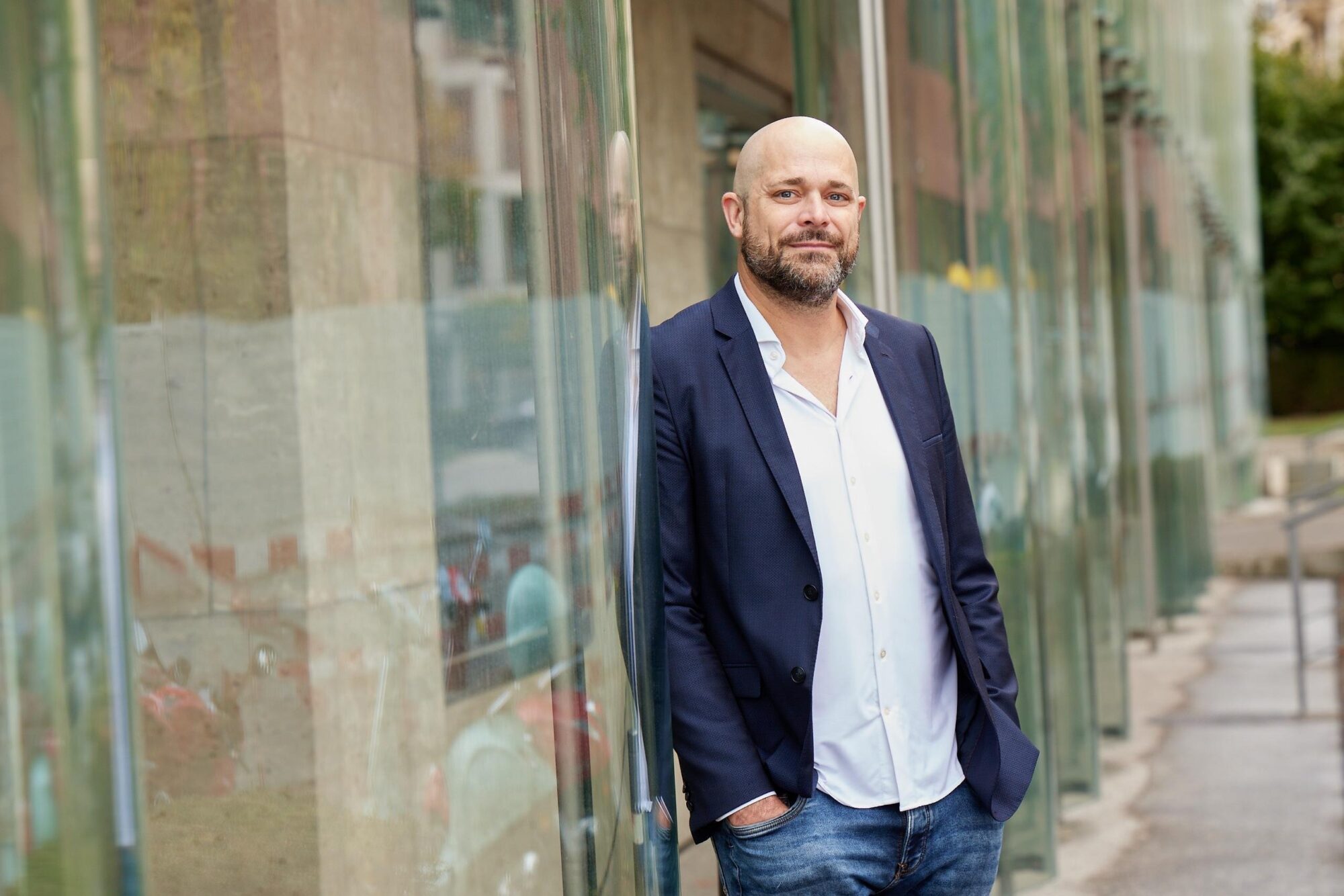
Torben Stephan is a trained journalist and currently serves as Head of Digitalization at Mercator Foundation Switzerland. He has spent more than ten years working on digital sovereignty in Europe and Asia, raising awareness of technological dependencies and advocating for open-source software.
Last updated: November 25, 2026